Monumental Memories
EXHIBITION
Monumental Memories
On display May 22nd, 2026 – October 4th, 2026
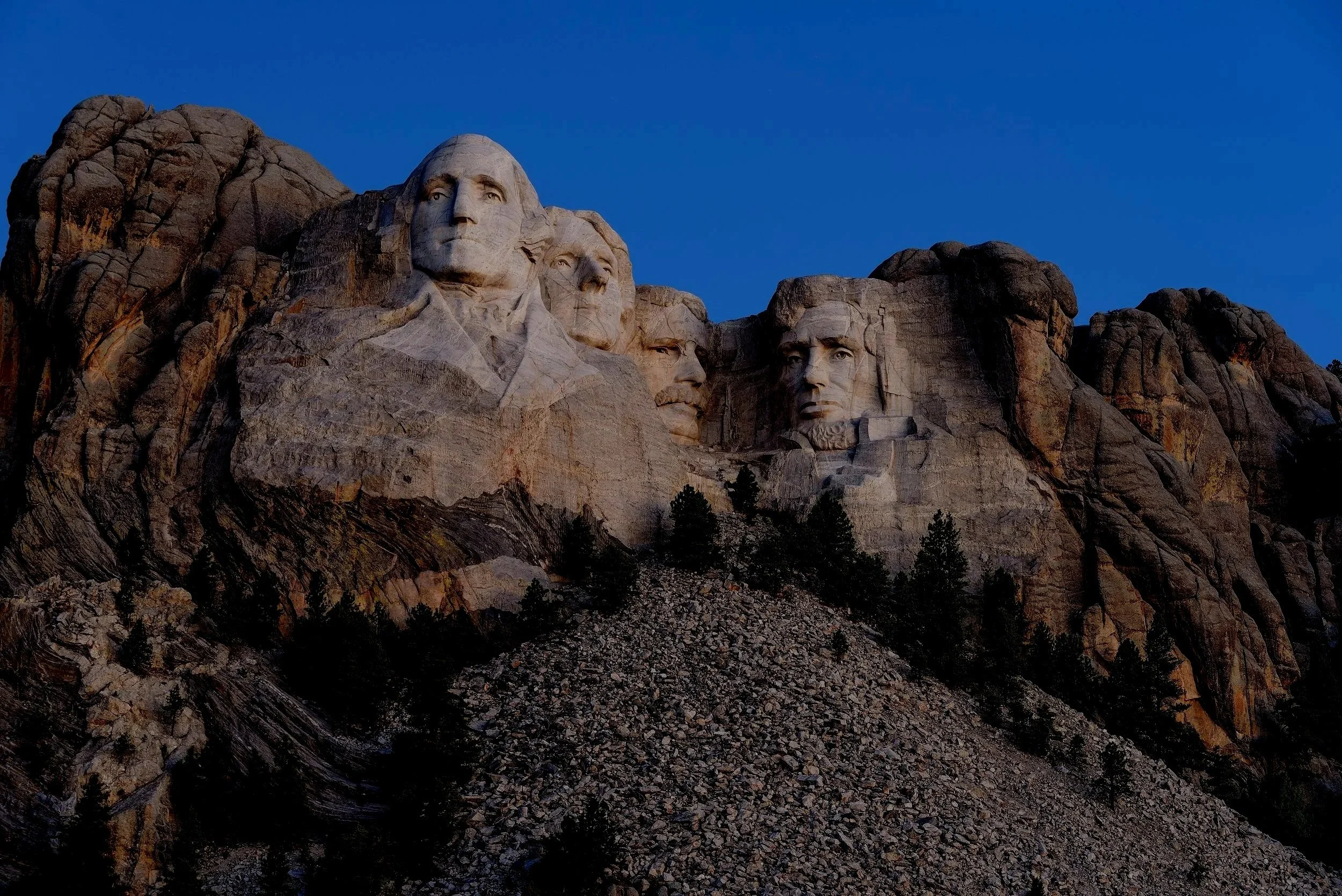
As we commemorate the 250th anniversary of the signing of the Declaration of Independence, we are invited to reflect not only on our nation’s past, present, and future, but also on how, why, and what we choose to remember. The word monument comes from the Latin momentum as “something to remind.” Across time, people have built monuments to commemorate events and individuals who have shaped our stories, to mark moments of triumph and tragedy, and to preserve memories for generations to come.
The Black Hills region is home to some of the nation’s most iconic monuments like Mount Rushmore, Crazy Horse Memorial, and Rapid City’s Presidential Statues. These monuments have earned the region as reputation as one of America’s largest outdoor sculpture gardens. From the Tatanka: Story of the Bison to the Friendship Tower and Mount Coolidge Lookout, this landscape is filled with places of remembrance that commemorate national themes as well as regional legacies and local memories.
Monumental Memories explores why the Black Hills have become such a landscape of commemoration. Why here? Why do we build, carve, and dedicate? What do these monuments say about who we are and how do they shape the stories we tell about ourselves?
In recognition of three milestones: the 250th anniversary of the United States, the 150th anniversary of Rapid City, and the 150th anniversary of the Battle of the Little Bighorn, this exhibit invites visitors to explore the art, history, and meaning of memorialization in all its forms: from monuments and memorials, to national and state parks, to local parades and celebrations.
Join us in celebrating and commemorating the stories that have shaped our local, regional and national past and reflect on their place in our present and how they may shape our future.
We will host an opening reception and ribbon cutting for the new exhibition on Friday, May 22nd 2026 from 5:00 PM - 7:00 PM.
Avis Marvelous
Birds of the Western Frontier 1776-1896
EXHIBITION
Avis Marvelous: Birds of the Western Frontier 1776-1896
On display April 24th, 2026 – February 7, 2027
This exhibition invites visitors to look more closely—at birds, at history, and at the evolving relationship between art and science.
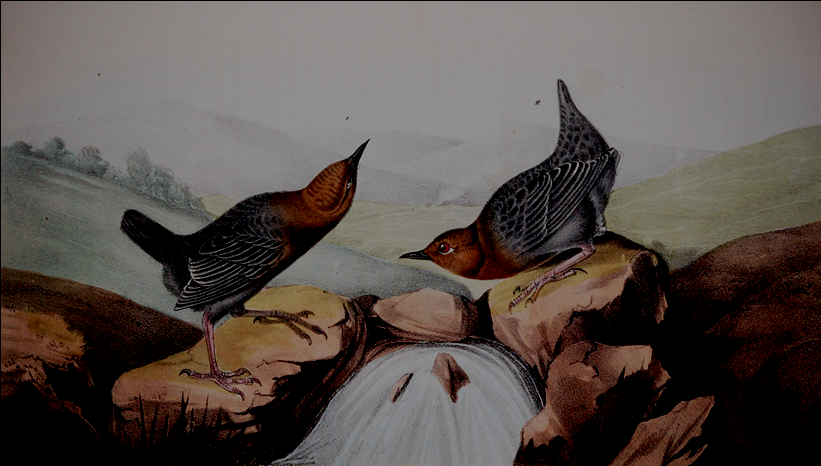
Featuring richly detailed 19th-century engravings created during government survey expeditions across the Trans-Mississippi West and Alaska, Avis Marvelous captures a time when observation shaped both artistic expression and scientific understanding. Artists documented bird species in regions largely unknown to Western science, producing works that are as visually striking as they are scientifically significant.
The exhibition includes works by John James Audubon, Daniel Giraud Elliot, Joseph Wolf, and Titian Ramsey Peale, many of which place birds within their natural environments—offering early visual records of ecosystems that have since changed.
The exhibition is reflective of the Black Hills through historic bird specimens from the museum’s Behrens Collection, gathered locally between the 1880s and 1920s.
Beyond its artistic merit, the exhibition highlights the ongoing importance of ornithology. Birds are widely recognized as early indicators of environmental change—responding quickly to shifts in climate, habitat, and pollution, often described as the “canary in the coal mine.” Their roles in seed dispersal, pollination, and pest control also make them essential to maintaining biodiversity and ecological balance.
Ornithology began with observation and curiosity and has evolved into a critical field within environmental science, helping guide conservation efforts in a rapidly changing world. Today, birdwatching remains one of the most accessible ways for people to engage with the natural world—an activity that begins with simple curiosity and deepens into a lasting connection with place.
An opening reception will be held on April 24 from 4:00–6:00 PM. The event is free and open to the public.
The exhibit is included with regular museum admission.